Gas Line Capping in Columbus, OH
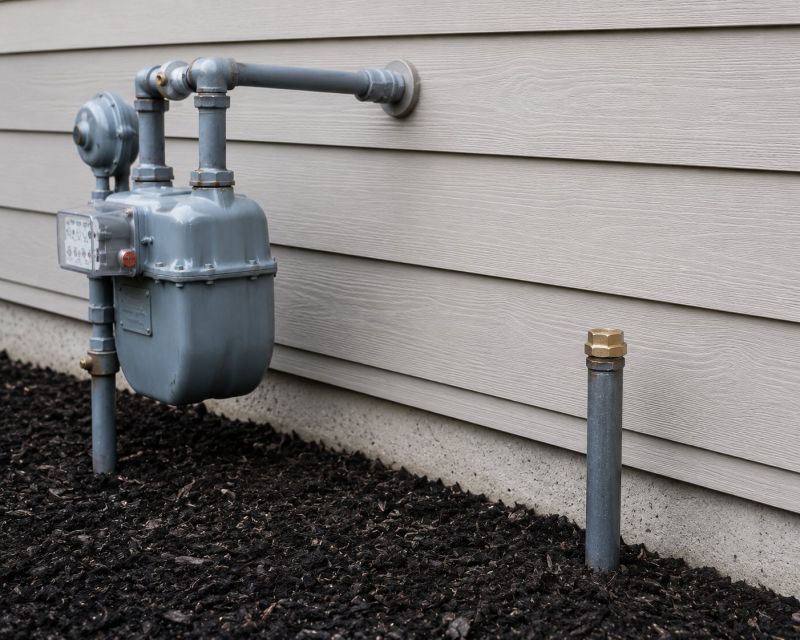
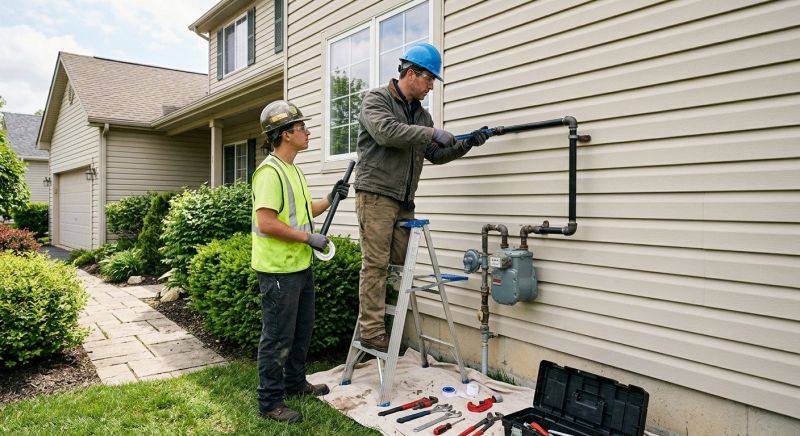
Gas line capping services involve safely sealing off unused or decommissioned gas lines on residential properties. This process is commonly requested during home renovations, appliance upgrades, or when removing outdated or hazardous gas fixtures. Property owners typically seek this service to prevent leaks, ensure safety, and comply with local codes when gas lines are no longer in use. Understanding whether a gas line is active or inactive, as well as the location and condition of the piping, can help homeowners determine if capping is necessary.
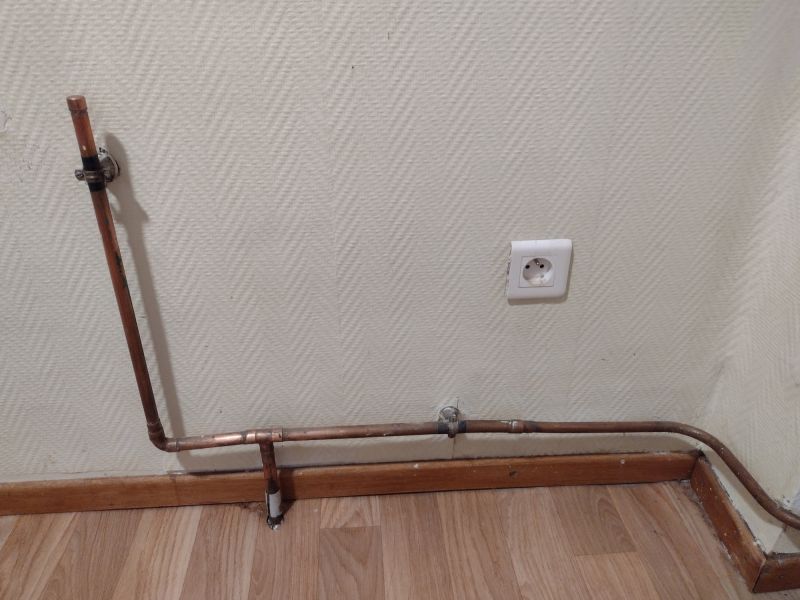
Before requesting gas line capping, property owners should know the approximate location of the gas lines on the property and whether any appliances or fixtures are still connected. It’s also important to clarify if the work involves a complete removal of the line or simply sealing it off, as different projects may require different approaches. Properly capped gas lines help prevent potential leaks or hazards, making it a common step during property upgrades or safety modifications.
Many property owners in Columbus, OH look into Gas Line Capping for repairs, replacements, upgrades, and appearance-related improvements.
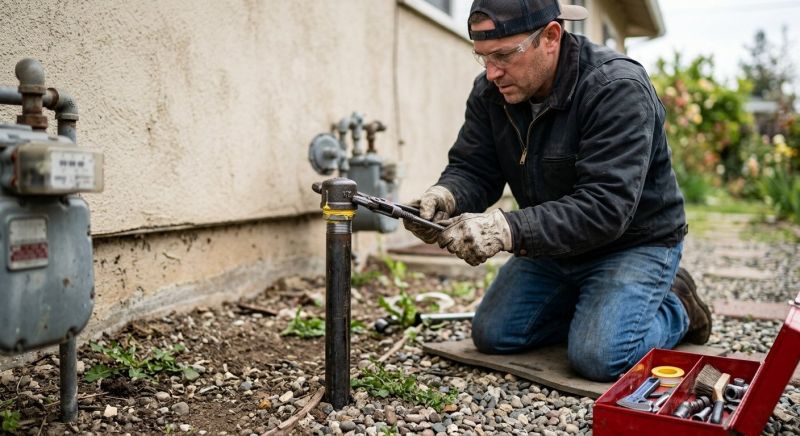
Gas Line Closure And Safety
Proper capping ensures the safety and integrity of your gas lines after removal or repair.
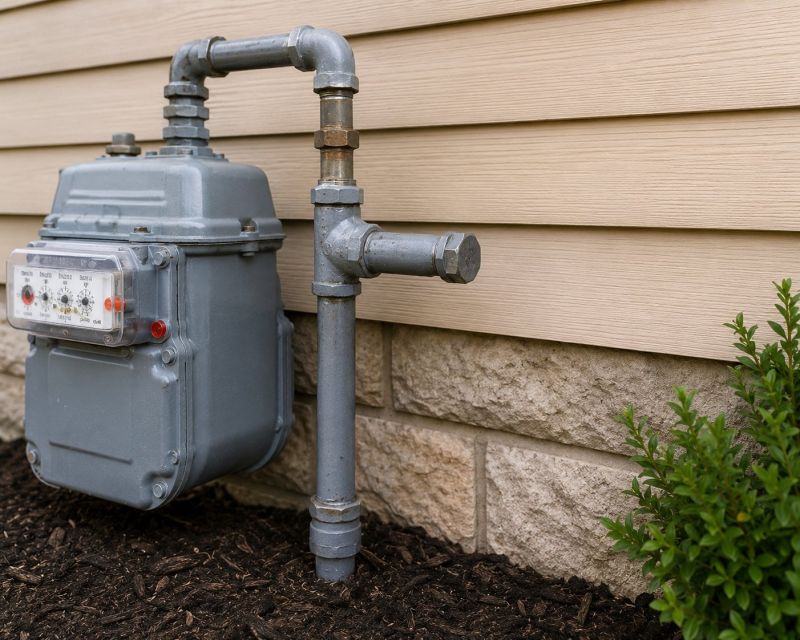
Preventing Gas Leaks
Sealing unused gas lines with a cap minimizes the risk of leaks and potential hazards.
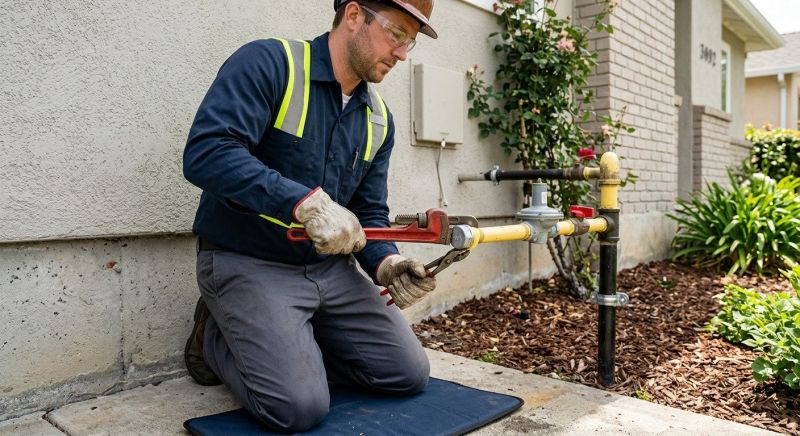
Property Maintenance And Compliance
Gas line capping helps maintain property standards and meets safety regulations in columbus, oh.
Gas Line Capping in Columbus, OH
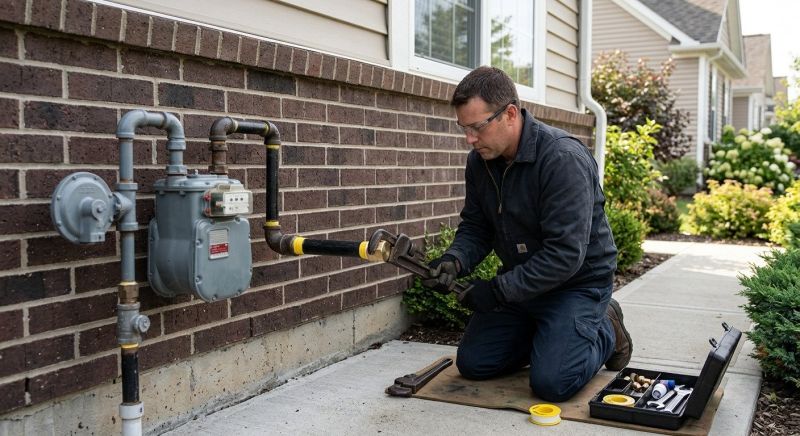
Gas line capping services involve safely sealing off unused or decommissioned gas lines on residential properties. This process is commonly requested during home renovations, appliance upgrades, or when removing outdated or hazardous gas fixtures. Property owners typically seek this service to prevent leaks, ensure safety, and comply with local codes when gas lines are no longer in use. Understanding whether a gas line is active or inactive, as well as the location and condition of the piping, can help homeowners determine if capping is necessary.
Before requesting gas line capping, property owners should know the approximate location of the gas lines on the property and whether any appliances or fixtures are still connected. It’s also important to clarify if the work involves a complete removal of the line or simply sealing it off, as different projects may require different approaches. Properly capped gas lines help prevent potential leaks or hazards, making it a common step during property upgrades or safety modifications.
Many property owners in Columbus, OH look into Gas Line Capping for repairs, replacements, upgrades, and appearance-related improvements.
Common Gas Line Capping Jobs
Gas Line Capping - Securely seals off unused or abandoned gas lines to prevent leaks.
Property Abandonment - Caps gas lines when properties are being renovated or vacated.
Emergency Shutoff - Quickly caps damaged or leaking gas lines to ensure safety.
Line Replacement - Removes outdated or unsafe gas lines and installs caps on remaining sections.
New Construction - Caps existing gas lines during building or remodeling projects.
Regulatory Compliance - Ensures capped gas lines meet safety standards and local codes.
Gas Line Capping Questions
What is gas line capping? Gas line capping involves sealing off an unused or disconnected gas line to prevent leaks and ensure safety.
When is gas line capping needed? It is typically required during property renovations, demolitions, or when a gas line is no longer in use.
Are gas line caps safe for property owners? Properly installed caps help prevent gas leaks, reducing potential hazards on the property.
Can gas line capping be done on any type of gas line? Most standard gas lines can be capped, but specific types may require specialized fittings or procedures.
Request Gas Line Capping in Columbus, OH
Use the quote form on this page to share the basics of your project and request more information for the type of work you need.