Get Gas Line Installation
Gas line installation services help property owners safely set up or upgrade natural gas lines for appliances, heating systems, and outdoor projects, handled by local contractors.
If you’re considering a gas line installation, you’ve come to the right place to explore your options. Property owners in the area often look into gas line services to enhance their homes or businesses, whether for new appliances, heating systems, or outdoor setups. Planning such projects involves understanding the scope and ensuring the work aligns with local regulations and infrastructure. Comparing experienced local contractors can help you find the right professionals to handle your specific needs with confidence.
Continuing to review your options allows you to make informed decisions about your gas line installation project. Local service providers offer a range of expertise to support property owners in planning and executing these upgrades smoothly. By exploring available local contractors, you can identify the professionals best suited to help bring your project to completion efficiently and safely.
- Gas Line Installation - needed when installing new appliances or upgrading existing gas connections in residential or commercial properties.
- Gas Line Repair - required when experiencing leaks, damage, or irregular gas flow issues in an existing system.
- Gas Line Replacement - necessary when old or deteriorated gas lines pose safety concerns or no longer meet code standards.
- Gas Line Inspection - important for routine checks to ensure the safety and proper functioning of gas piping systems.
- Gas Line Upgrades - sought when expanding a property or adding new appliances that require higher capacity or modernized piping.
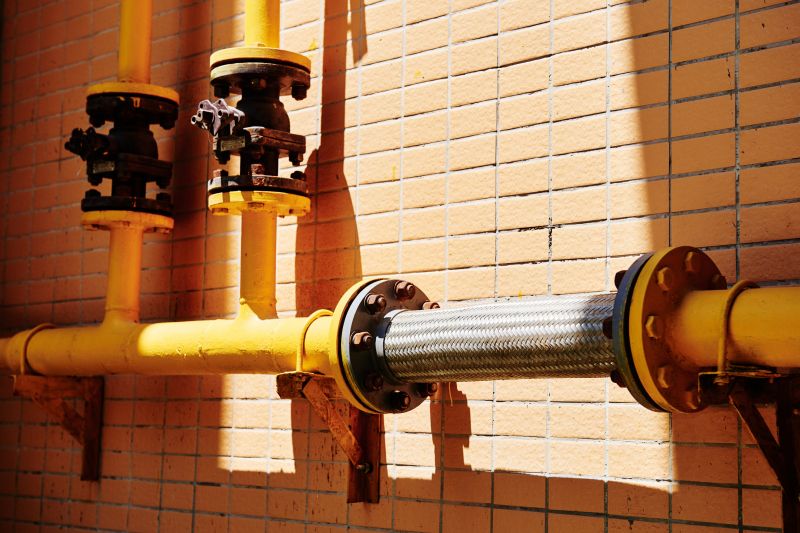
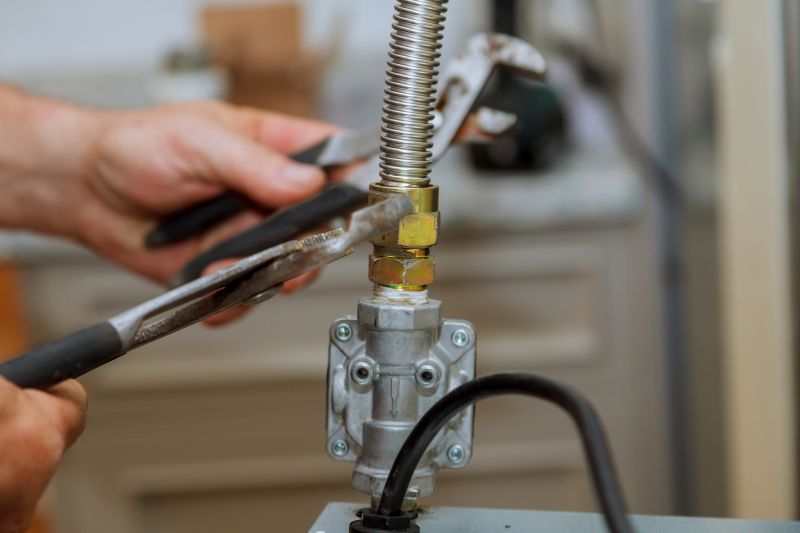
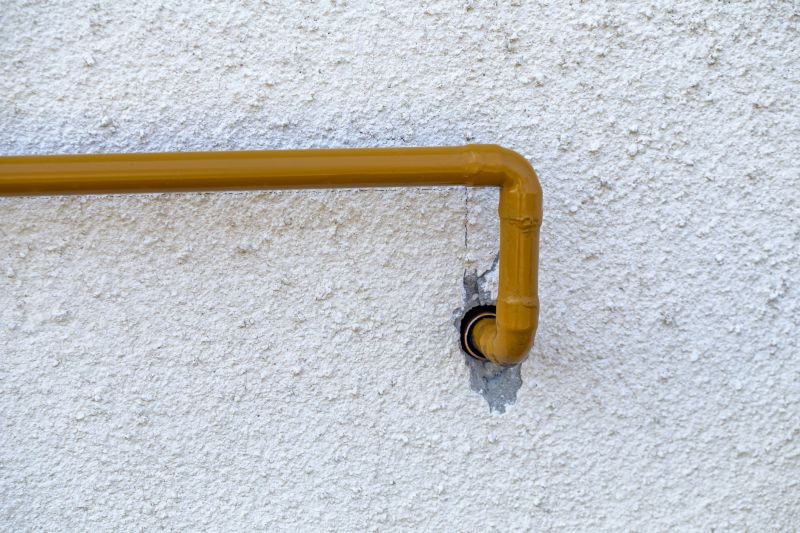
Gas line installation services involve setting up the piping system that supplies natural gas or propane to a property. This process includes planning the layout, selecting appropriate materials, and ensuring proper connection to the main gas supply. Skilled contractors handle everything from initial site assessment to the final connection, making sure the system is safe and functional. Proper installation is essential for properties that rely on gas for heating, cooking, or other appliances, providing a reliable and efficient energy source.
These services help solve common problems such as inadequate or outdated gas lines, leaks, or unsafe connections that could pose safety hazards. Installing a new gas line can also enable the addition of appliances like stoves, fireplaces, or outdoor grills, expanding a property's functionality. Additionally, replacing old or damaged gas lines can prevent leaks and improve overall safety, ensuring that the gas system operates smoothly and securely.
Gas line installation is typically needed for a variety of property types, including single-family homes, multi-unit residential buildings, and commercial spaces. Homeowners who want to upgrade their kitchen appliances or add outdoor cooking areas often seek these services. Property owners with aging gas lines may also consider replacement to ensure continued safety and efficiency. Whether for new construction, renovation, or repair, local service providers can help determine the best solution for each property’s specific needs.
When considering gas line installation, understanding the scope of work and potential benefits can help homeowners decide when to engage a professional. Proper installation not only supports the safe operation of gas appliances but also ensures compliance with local codes and standards. Connecting with experienced local contractors can provide peace of mind, knowing that the work will be handled by professionals equipped to deliver safe, reliable, and efficient gas systems tailored to the property’s requirements.
The overview below groups typical Gas Line Installation projects into broad ranges so you can see how smaller, mid-sized, and larger jobs often compare in your area.
In many markets, a large share of routine jobs stays in the lower and middle ranges, while only a smaller percentage of projects moves into the highest bands when the work is more complex or site conditions are harder than average.
Smaller Repairs - Typical costs for minor gas line repairs or upgrades usually range from $250 to $600. Many routine jobs fall within this middle range, depending on the specific work needed and local rates.
Partial Replacement - Replacing a section of gas piping generally costs between $1,000 and $3,000. Larger, more complex projects can push costs higher, but most projects stay within this range.
Full Gas Line Replacement - Complete replacement of an existing gas line system can range from $3,500 to $7,500. These larger jobs are less common but may be necessary for older or heavily damaged systems.
New Gas Line Installation - Installing new gas lines for a renovation or new build typically costs between $2,000 and $8,000. Project size and complexity influence the final cost, with most projects falling into the middle of this range.
Actual totals will depend on details like access to the work area, the scope of the project, and the materials selected, so use these as general starting points rather than exact figures.
Natural Gas Appliance Hookups - local contractors can install and connect appliances such as stoves, water heaters, and dryers that require gas lines.
Propane Line Installation - service providers can set up propane lines for outdoor grills, fireplaces, and backup generators that utilize propane fuel.
Gas Line Repair and Replacement - local pros are available to repair or replace existing gas lines to ensure safe and reliable gas delivery.
Indoor Gas Piping Systems - specialists can design and install piping systems for indoor applications, ensuring proper planning and safety compliance.
Outdoor Gas Line Extensions - contractors can extend or reroute outdoor gas lines for barbecue setups, fire pits, or patio heaters.
Gas Leak Detection Services - local service providers can identify and address potential gas leaks to maintain safety and system integrity.
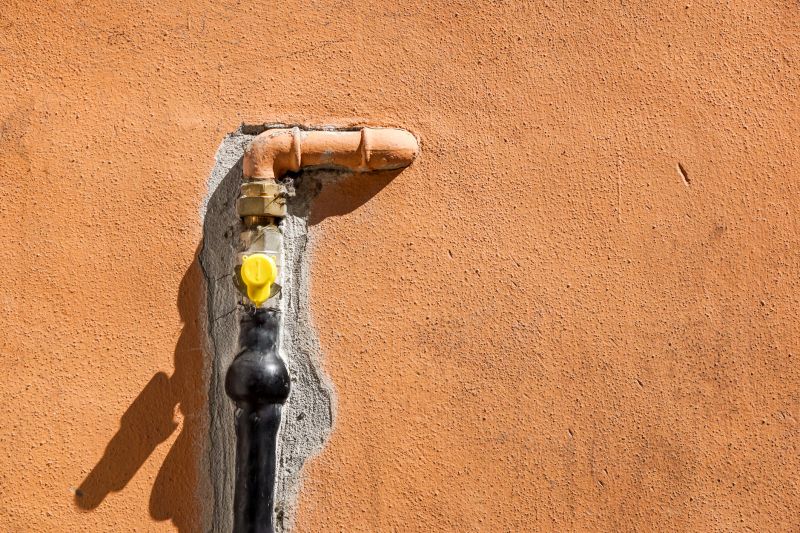
When evaluating potential service providers for gas line installation, it is important to consider their experience with similar projects. Homeowners should look for local contractors who have a proven track record of handling gas line work comparable to the scope of their project. This can include asking for examples of past work or verifying if they have successfully completed installations in homes with similar configurations. An experienced contractor is more likely to understand the complexities involved and deliver results that meet safety and quality standards.
Clear, written expectations are essential to ensure both parties are aligned on the scope of work, materials to be used, and any other project specifics. Homeowners should seek out service providers who can provide detailed estimates or proposals that outline the work to be performed. Having these expectations documented helps prevent misunderstandings and provides a reference point throughout the project, making communication smoother and more transparent.
Reputable references and good communication are also key factors when selecting local contractors for gas line installation. Homeowners are encouraged to ask for references from previous clients to gain insight into the contractor’s reliability, professionalism, and quality of work. Additionally, a service provider who communicates clearly and promptly can help ensure that questions are answered and concerns addressed throughout the process. This level of responsiveness often indicates a commitment to customer service and a smooth project experience.
Property owners use Gas Line Installation services for practical projects around their homes and businesses. This guide focuses on everyday jobs and straightforward project options.
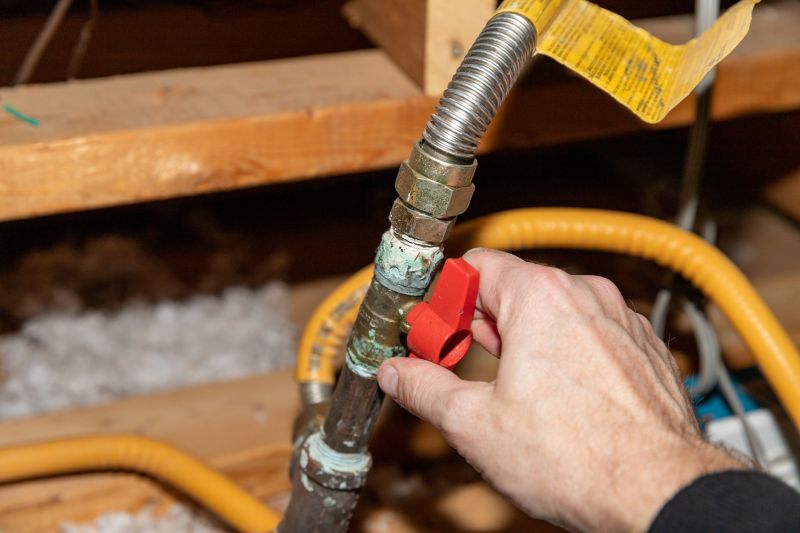
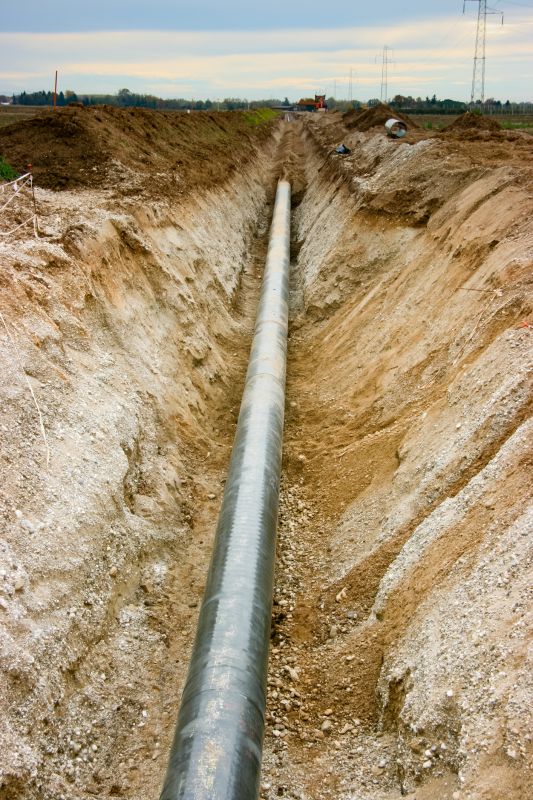
Gas line installation services are often needed when property owners are upgrading or expanding their homes, such as adding new appliances like stoves, water heaters, or outdoor grills. Additionally, some may require new gas lines to replace outdated or damaged piping, ensuring safe and reliable fuel delivery. Local contractors can handle these projects, providing the expertise needed to install or modify gas lines safely and efficiently, helping property owners meet their household or outdoor needs.
Property owners might also seek gas line installation services when constructing new buildings or renovating existing structures. Whether installing gas for heating systems or outdoor cooking setups, having experienced local service providers handle the work can ensure that the installation complies with safety standards and local codes. These professionals are equipped to manage various project situations, making it easier for property owners to access the gas services they need for everyday living.
What is involved in gas line installation? Gas line installation typically includes planning the layout, obtaining necessary permits, and safely installing the piping to connect appliances or systems. Local contractors ensure the work adheres to safety standards and building codes.
Are there different types of gas lines installed by professionals? Yes, service providers can install various types of gas lines, such as flexible connectors, rigid piping, or underground lines, depending on the application and location requirements.
What should I consider before hiring a contractor for gas line installation? It's important to verify that the contractor has experience with gas line work, understands local regulations, and can provide references or proof of past projects for quality assurance.
How do local contractors ensure the safety of gas line installations? Professionals follow industry standards and safety protocols during installation, including proper sealing, pressure testing, and inspection to prevent leaks and ensure reliable operation.
Can gas line installation be integrated with existing systems? Yes, experienced service providers can connect new gas lines to existing appliances or systems, ensuring compatibility and proper functioning within the current setup.
Home Heating Improvements - Property owners can install gas lines to support new or upgraded heating systems, enhancing comfort during colder months.
Kitchen Renovations - Connecting gas lines allows for the addition of ranges, ovens, or cooktops in kitchen remodels for more efficient cooking options.
Outdoor Cooking and Fireplaces - Gas line installation enables the setup of outdoor grills, fire pits, or patio heaters for year-round outdoor living.
Emergency Power Backup - Installing gas lines can facilitate backup generators, providing reliable power during outages for essential appliances.
If you are thinking about Gas Line Installation for a property, this guide is meant to help you understand the work, the typical project types, and how different options might fit your plans.
When you are ready, you can use the quote form on this page to share a few details about your project. From there, local pros can review the basics and respond with options that match what you have in mind.